
Forschung & Beratung
für Lebenslanges Lernen
Unser Ziel sind zukunftsorientierte Bildungssysteme, die lebenslanges Lernen für jede und jeden ermöglichen.


News & Kalender

1. Jun
Rückblick auf das 2. Wiener Arbeitsfilmfestival 2026
Das Wiener Arbeitsfilmfestival hat erneut gezeigt, wie aktuell, vielfältig und gesellschaftlich relevant das Thema Arbeit auf der Leinwand verhandelt werden kann.
4. Mai
Weiterbildungsmotivation im Erwachsenenalter – neue Publikation im Meb
In der neuen Ausgabe des Magazins „erwachsenenbildung.at“ erschien ein Artikel von Günter Hefler und Eva Steinheimer zur Entstehung von Weiterbildungsmotivation Erwachsener.
27. Apr
Individual Learning Accounts – Ein Leitfaden zur Umsetzung
Eine neue Publikation fasst zentrale Erkenntnisse und bewährte Verfahren aus den ILA-Workshops europäischer Mitgliedstaaten im Rahmen des „ILA Mutual Learning Programme“ von 2023–2025 zusammen.
Immersive and work-based approaches to cultivate practical learning
Erfahrungen sichtbar machen
Basic Skills for Life, Work and Democratic Participation in Times of Transformation
Berufliche Qualifizierung im Spannungsfeld von Struktur und Individuum
News & Kalender
1. Jun
Rückblick auf das 2. Wiener Arbeitsfilmfestival 2026
Das Wiener Arbeitsfilmfestival hat erneut gezeigt, wie aktuell, vielfältig und gesellschaftlich relevant das Thema Arbeit auf der Leinwand verhandelt werden kann.
4. Mai
Weiterbildungsmotivation im Erwachsenenalter – neue Publikation im Meb
In der neuen Ausgabe des Magazins „erwachsenenbildung.at“ erschien ein Artikel von Günter Hefler und Eva Steinheimer zur Entstehung von Weiterbildungsmotivation Erwachsener.
Immersive and work-based approaches to cultivate practical learning
Erfahrungen sichtbar machen
Basic Skills for Life, Work and Democratic Participation in Times of Transformation
Berufliche Qualifizierung im Spannungsfeld von Struktur und Individuum
News & Kalender
1. Jun
Rückblick auf das 2. Wiener Arbeitsfilmfestival 2026
Das Wiener Arbeitsfilmfestival hat erneut gezeigt, wie aktuell, vielfältig und gesellschaftlich relevant das Thema Arbeit auf der Leinwand verhandelt werden kann.
Immersive and work-based approaches to cultivate practical learning
Erfahrungen sichtbar machen
Basic Skills for Life, Work and Democratic Participation in Times of Transformation
Berufliche Qualifizierung im Spannungsfeld von Struktur und Individuum
News & Kalender
1. Jun
Rückblick auf das 2. Wiener Arbeitsfilmfestival 2026
Das Wiener Arbeitsfilmfestival hat erneut gezeigt, wie aktuell, vielfältig und gesellschaftlich relevant das Thema Arbeit auf der Leinwand verhandelt werden kann.
4. Mai
Weiterbildungsmotivation im Erwachsenenalter – neue Publikation im Meb
In der neuen Ausgabe des Magazins „erwachsenenbildung.at“ erschien ein Artikel von Günter Hefler und Eva Steinheimer zur Entstehung von Weiterbildungsmotivation Erwachsener.
Immersive and work-based approaches to cultivate practical learning
Erfahrungen sichtbar machen
Basic Skills for Life, Work and Democratic Participation in Times of Transformation
Projekte & Services
Projekte & Services
Projekte & Services
Projekte & Services
Publikationen

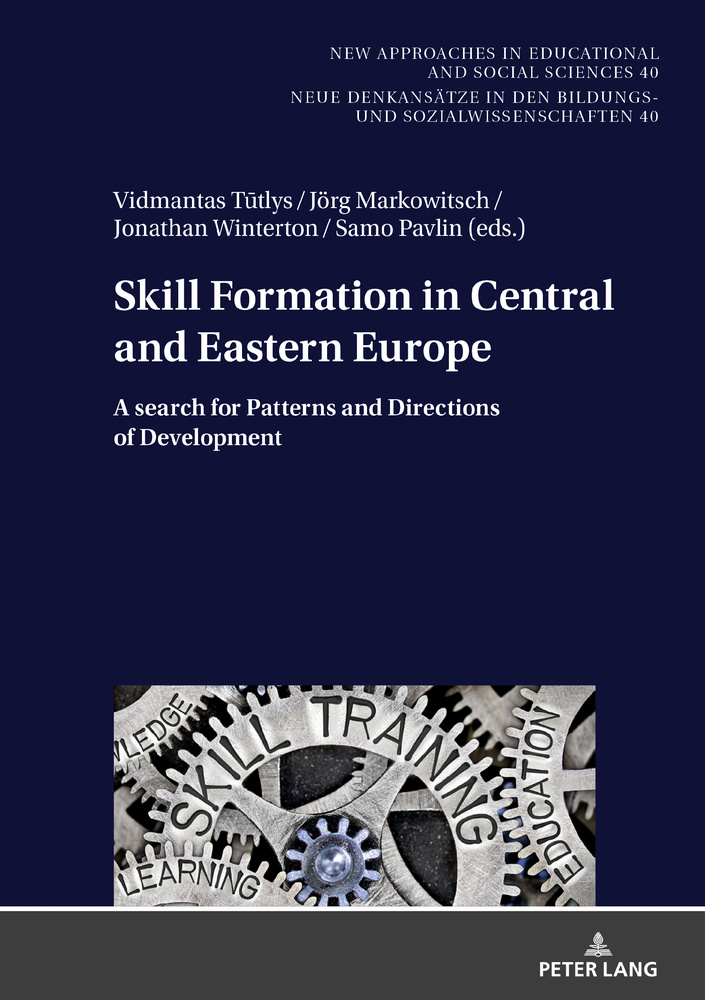
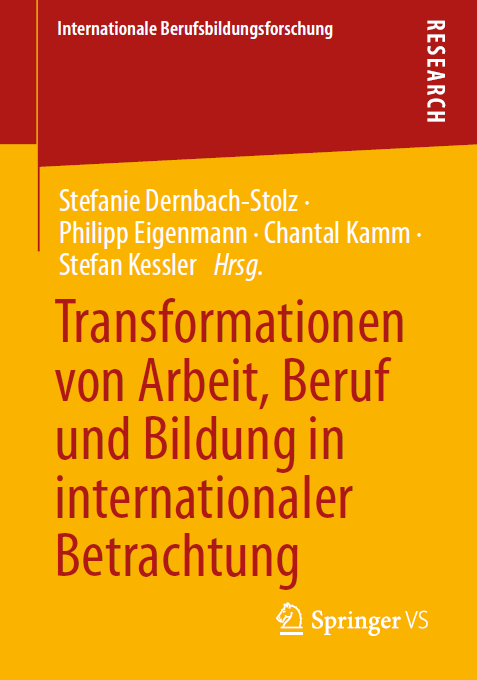
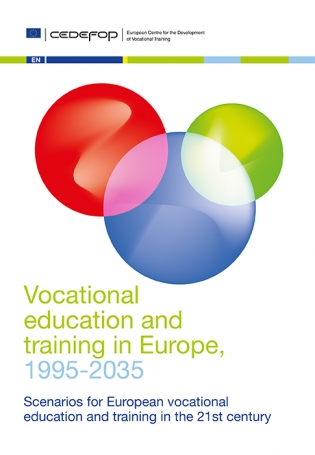
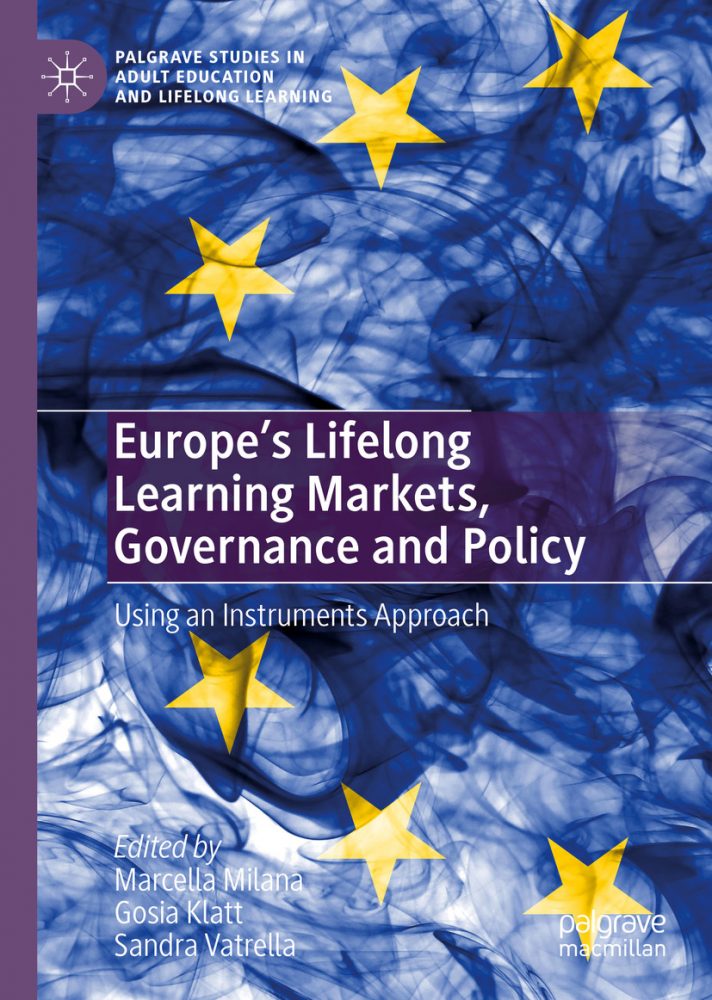
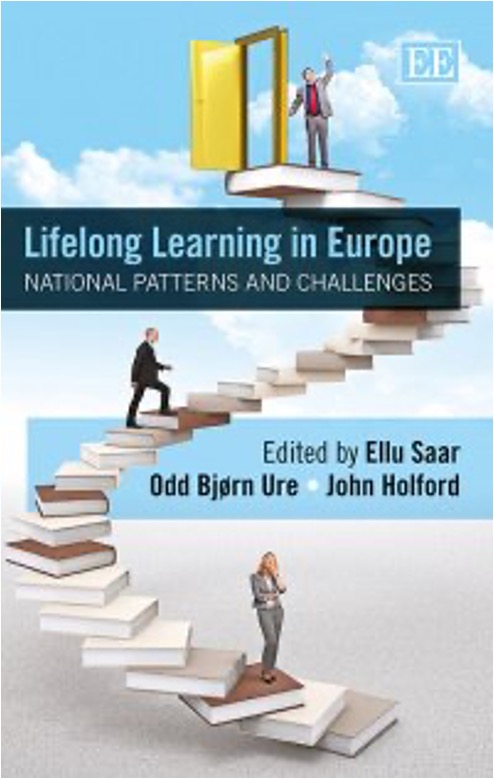
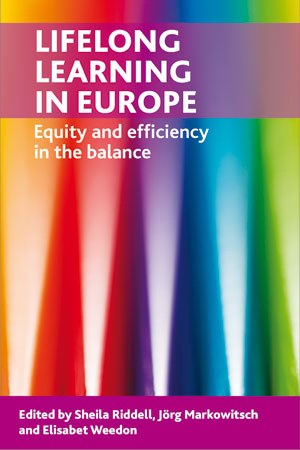
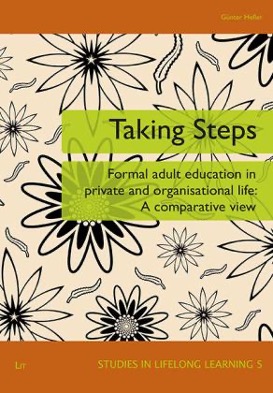
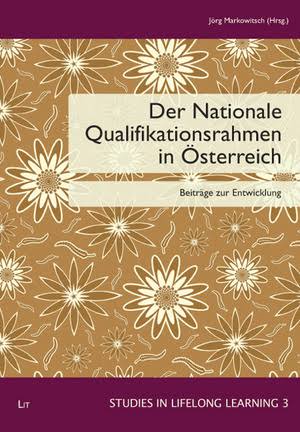
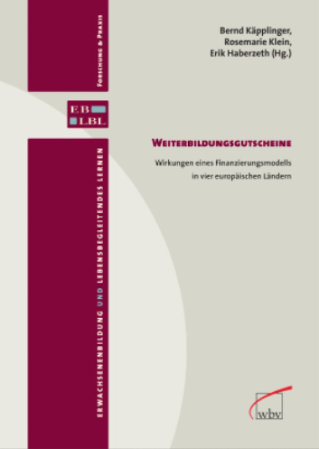
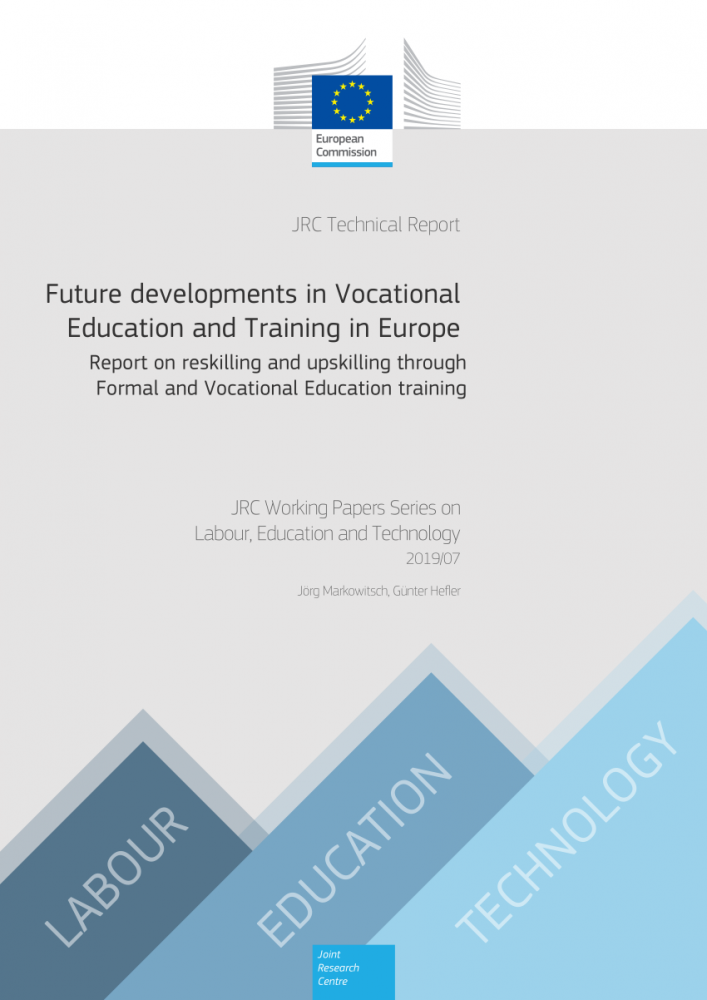
Publikationen
Publikationen
Publikationen

 Wiedner Hauptstraße 18, 1040 Wien
Team & Kontakt
3s Unternehmensberatung
Wiedner Hauptstraße 18, 1040 Wien